A parent’s guide to choosing
Activities for 5 year olds: choose play for the time and company you have
An activity for a five-year-old can begin with a particular interest: making a picture, building something or playing with another person. Let that interest narrow the choice, then check the practical setup together. These library previews use the shared ages 5–6 band rather than a separate assessment for every five-year-old. Look at the actual materials, supervision and duration before choosing what fits the time and company available.
Browse free activity previews
Start with today
Choose a starting point
Your child knows the kind of play they want
A suitable card that matches the interest
Check the materials together before committing to a particular result.
There is a short gap before leaving
An activity with manageable preparation and an ending
Allow time to gather supplies and clear them away.
Your child wants to manage part of the setup
A suitable responsibility within the adult's supervision
Agree which tools and tasks the adult will handle.
The number of players changes
A card suited to the people actually joining
Check roles and materials instead of assuming another child can fit in.
Let an interest narrow the search
For a child choosing between making and a game, compare Driveway Chalk Mural with I Spy Something Blue. The first preview lists sidewalk chalk and an outdoor setting; the second lists no materials and includes indoor, outdoor and on-the-go settings. Ask which kind of play interests them, then check the full card and intended players. The shared ages 5–6 band does not settle that choice by itself.
Use the preview's activity type and materials to check what is actually involved. A picture alone cannot tell you whether the setup fits your cupboard or room. Keep space for the child to change the proposed result while staying within the materials and supervision of the chosen activity.
Make the whole commitment visible
Check preparation, activity duration and clearing away against the next fixed event. A card with a short play time may still need supplies gathered or work stored afterwards. Explain that whole commitment before starting. If there is not enough time, keep the card in mind and choose a more manageable option today.
Decide what a useful ending looks like: a finished round, a planned pause or work placed somewhere suitable to wait. Use the actual card to judge whether a pause makes sense. Avoid promising a long project in a gap that also needs to cover getting ready to leave.
Share decisions about help
Read the full instructions first, then agree what the child can choose and what remains the adult's responsibility. Selecting a subject or gathering an appropriate familiar item can be part of the invitation. The card's supervision requirements still apply, even when the child would prefer to handle every part alone.
The shared ages 5–6 band is useful for browsing, not a measure of what every five-year-old can manage. Choose, adapt or skip a card based on your child and setting. Keep unsuitable tools stored and remain available for the adult help required rather than judging suitability from a birthday alone.
Check who is actually playing
Look at the who-is-playing label when choosing between shared and individual options. If a sibling or friend joins, check their age band and the supplies too. Children can share a theme while choosing separate activities. A common interest does not make one setup or set of tools appropriate for everyone.
Age is the only filter on the previews below. Compare place, mood and length before making a plan. Return to a familiar choice when it suits the players and adult attention available. Use the age hub or finder to narrow place, time and who will take part.
From the activity library
Find a real activity to try
Public previews from the shared ages 5–6 library band, selected by age only. Compare location, duration, materials and supervision, then check the full card for your five-year-old and intended players.
You know your child best. Adapt or skip anything that doesn’t feel right, and supervise as noted. Read the full instructions and safety guidance before starting.
Previews are free to browse
Full steps, the tip and safety note cost 3 credits to unlock for an ordinary library card. Complete sample activities are free.


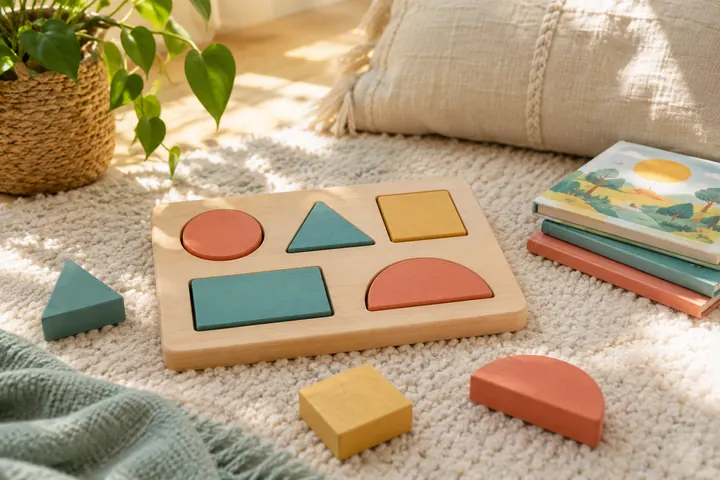
Letter Sound Treasure Baskets
- 20 min
- 2 min prep
- Things at home
- Low mess