Choose the age, place, mood, time and who’s playing.
2
Take a little look
See what you’ll need and try the first step. Explore another idea whenever you like.
3
Make it your own
Open the full activity when it feels right. Adapt it to your day.
Ideas by age, place and moodScreen-free playGrown-ups in charge
Room to explore
Kids activities by age and stage.
Age is a starting point, not a test. Choose an idea that fits your child today, then use the time, materials and supervision labels to plan your next few minutes together.
Start with one simple invitation: a sound to copy, a color to notice or a large object to move. Short, repeated games give toddlers time to explore at their own pace. Choose materials they cannot swallow and stay hands-on. Follow their interest, and stop or switch when they have had enough; finishing a project is never the goal.
Pretend play, drawing and sorting can turn an ordinary afternoon into a small adventure. Offer a clear starting point and room to change the story. A preschooler may want to repeat the same game or leave it halfway through. Choose a manageable amount of material, explain one step at a time and use the card’s supervision guidance to decide how closely to join in.
Try playful patterns, simple building challenges and stories with choices to make. Let children suggest a new rule or test another way to build. A quick activity can fit between school and dinner without becoming another lesson. Keep the setup small, check the materials together and offer help when it is welcome. Pick calm, creative, active or learning ideas to suit the moment.
Look for games with a problem to solve, a design to change or a story to share. Children can help choose supplies and agree on rules before playing with friends or siblings. Some will enjoy working alone; others want a grown-up alongside them. Read the supervision label, check the space and let the activity stay flexible when their own ideas take it in a new direction.
Offer a real choice: an open-ended creative project, a puzzle, a movement game or a practical challenge. Older children may prefer to plan their own approach and show you the result later. Check the materials and boundaries together first, and follow the supervision label even when a child feels confident. Choose an idea that matches their interests and available time, without turning play into a performance.
Start where you are
Indoor, outdoor and rainy-day activities.
A small living room needs a different idea from a wide open garden. Choose an indoor guide for play at home, an outdoor guide when you have a suitable space, or a rainy-day guide for a change of plans. Each helps you think about room, materials and supervision before choosing an activity.
Choose outdoor kids activities by space, weather, age and energy. Browse free previews for a garden, suitable park or another supervised outdoor setting.
Planning Halloween play, Christmas crafts or a winter break at home? Start with the time and supplies you already have, then choose a theme your family enjoys. These guides include indoor options, so you can adapt the plan to your local weather and traditions.
Build a flexible winter-break rhythm with indoor choices, suitable outdoor ideas and quiet alternatives. Browse free activity previews for ages 1–12.
A small pocket of time
Quick activities for kids: 5–10 minute previews.
A little play can fit before dinner or between bigger plans. These are previews of currently published ideas: see the materials and first step, then decide what fits. Full instructions use credits unless the card is a designated free sample. Preparation time is shown separately.
First step: Hold one hand out with your fingers spread wide. Rest the pointer finger of your other hand at the base of your thumb.
Supervision: Check in as they play
A whole idea, on us
Try a little play today.
No account needed. Choose an available free sample by age.
Free complete activity · Ages 1-2
Board Book Basket Browse
15 minutes · nearby supervision
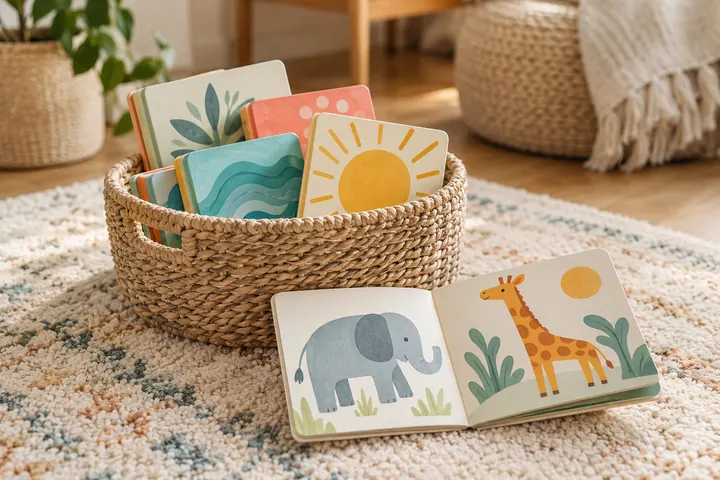
Materials: basket, books
Set a basket of five or six sturdy board books, covers facing out, on a soft rug in a cozy corner.
Sit nearby with your own book while your toddler digs, picks and flips. The same book again and again is perfectly fine.
Let them lead. Page turns, pats, kisses and babbling at the pictures all count as reading, so skip the quizzing.
Start a "sleepy pile": show them once how to lay a finished book down and whisper "Night-night, book!" Let them tuck in the rest.
If they bring you a book, snuggle in and share it briefly. At the end, help them drop each sleepy book into the basket.
Easier: offer just two books so choosing feels simple. Harder: an older sibling can sit beside them with a basket of their own and "read" the pictures aloud.
Pick sturdy board books with no battery sound buttons, loose flaps or torn pages, since toddlers tug and chew.
You know your child best. Adapt or skip anything that doesn’t feel right, and supervise as noted.
Grown-ups in charge
How we check screen-free activity ideas.
Ready-made cards pass the library’s format, material and safety rules. Public previews show supervision labels and hazard badges derived from those rules. Cards for ages 1–4 with a flagged hazard are held for human approval before publication.
Custom AI cards go through the same validator plus a separate AI safety review. They stay private to their creator unless an administrator approves publication and the creator has allowed it. Automated checks and review can miss things: they do not guarantee an activity will suit every child or space.
Read the complete instructions before starting, check the materials and surroundings, and supervise as directed. Skip or adapt anything that does not feel right. If something concerns you, stop the activity and use its safety-report control or contact us with the activity ID.
Start with the age, space and energy you have today. Drawing, pretend play, building and simple movement games are useful starting points. Choose an indoor idea, check its materials and supervision label, and try the first-step preview before deciding whether to open the full activity.
What activities can I do with a 3 year old?
Browse the ages 3–4 collection for short pretend games, drawing, sorting and playful movement. Offer one simple invitation and let your child change it. Stay nearby or hands-on as the card directs, check that materials suit your child, and skip anything they are not ready for.
How do I keep kids busy without screens?
Offer two screen-free choices rather than a long list. A calm story game may fit a tired afternoon; a movement game may fit a child with energy to use. Start with a short activity and a few materials. Join in when needed, and let children repeat or adapt the idea.
What activities for kids are free here?
Browsing ideas, using the finder and reading first-step previews are free. Designated complete samples are available without an account, with links in the free-samples section. Other full activities use credits; check the Pricing page for current plans and credit options.
What can kids do on a rainy day?
Try an indoor drawing invitation, a story game, a building challenge or movement in a clear space. The rainy-day guide helps you choose by age, available room and cleanup. Check the activity’s materials and supervision guidance, and keep an easy calm option ready if everyone’s energy changes.
Choose the age, place, mood, time and who’s playing.
2
Take a little look
See what you’ll need and try the first step. Explore another idea whenever you like.
3
Make it your own
Open the full activity when it feels right. Adapt it to your day.
Ideas by age, place and moodScreen-free playGrown-ups in charge
Free complete activity · Ages 1-2
Board Book Basket Browse
15 minutes · nearby supervision
Materials: basket, books
Set a basket of five or six sturdy board books, covers facing out, on a soft rug in a cozy corner.
Sit nearby with your own book while your toddler digs, picks and flips. The same book again and again is perfectly fine.
Let them lead. Page turns, pats, kisses and babbling at the pictures all count as reading, so skip the quizzing.
Start a "sleepy pile": show them once how to lay a finished book down and whisper "Night-night, book!" Let them tuck in the rest.
If they bring you a book, snuggle in and share it briefly. At the end, help them drop each sleepy book into the basket.
Easier: offer just two books so choosing feels simple. Harder: an older sibling can sit beside them with a basket of their own and "read" the pictures aloud.
Pick sturdy board books with no battery sound buttons, loose flaps or torn pages, since toddlers tug and chew.
You know your child best. Adapt or skip anything that doesn’t feel right, and supervise as noted.
Ready-made cards pass the library’s format, material and safety rules. Public previews show supervision labels and hazard badges derived from those rules. Cards for ages 1–4 with a flagged hazard are held for human approval before publication.
Custom AI cards go through the same validator plus a separate AI safety review. They stay private to their creator unless an administrator approves publication and the creator has allowed it. Automated checks and review can miss things: they do not guarantee an activity will suit every child or space.
Read the complete instructions before starting, check the materials and surroundings, and supervise as directed. Skip or adapt anything that does not feel right. If something concerns you, stop the activity and use its safety-report control or contact us with the activity ID.