A parent’s guide to choosing
Messy play ideas: plan the materials, space and cleanup together
Choose messy play with the whole session in mind. Decide which space you can use, what you can supervise and how you will clear it. These medium- or high-mess previews cover painting, dough and clay, sensory bins and water play. Their supplies and adult requirements differ, so choose the individual activity before setting anything out.
Browse free activity previews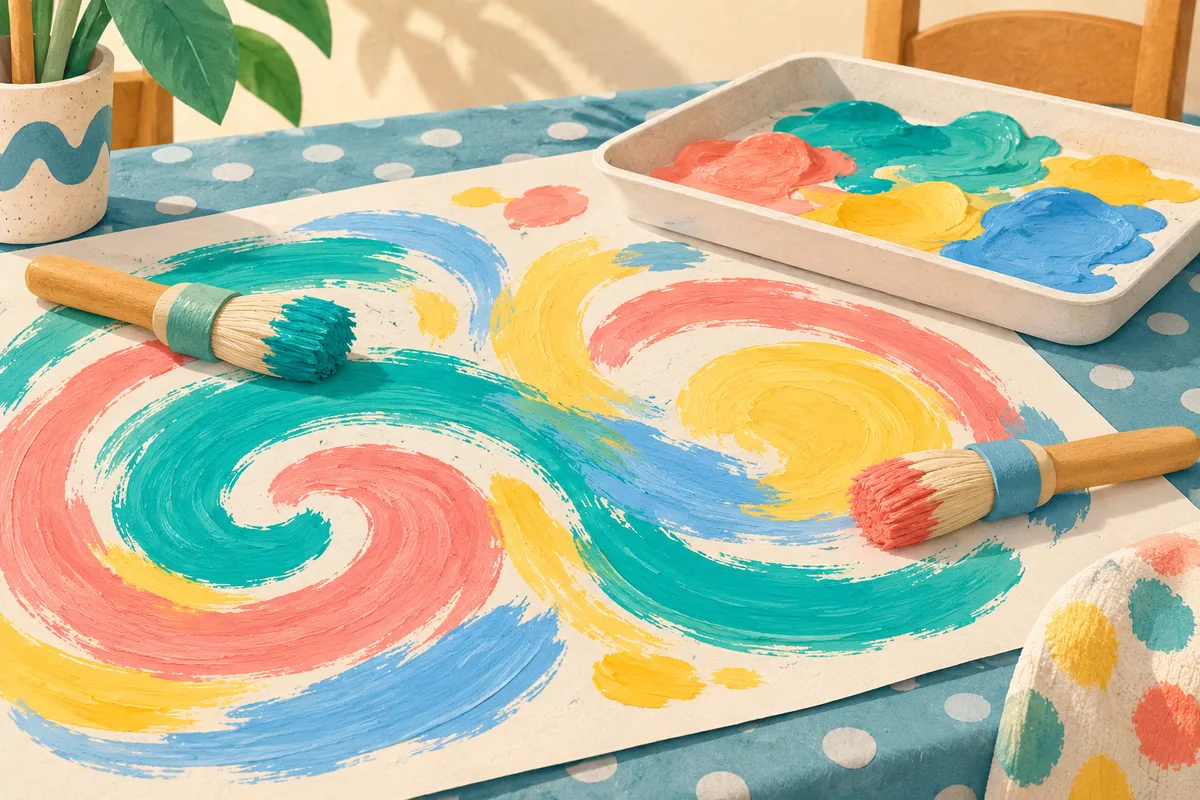
Start with today
Choose a starting point
You have space but little cleanup time
A different activity with a manageable ending
Count clearing, washing and drying as part of the session.
Only one surface is available
A card whose materials fit that working area
Check how the actual surface and nearby items need protecting.
A younger child may enter the room
A setup with access and supervision planned
Keep unrelated tools and older-child materials separate.
The child dislikes a particular texture
Another listed material or another kind of play
Let them decline without adding pressure to touch it.
Choose what will be messy
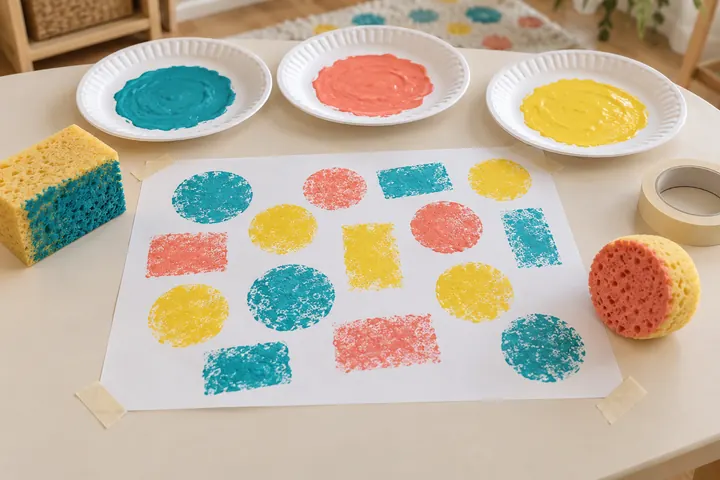
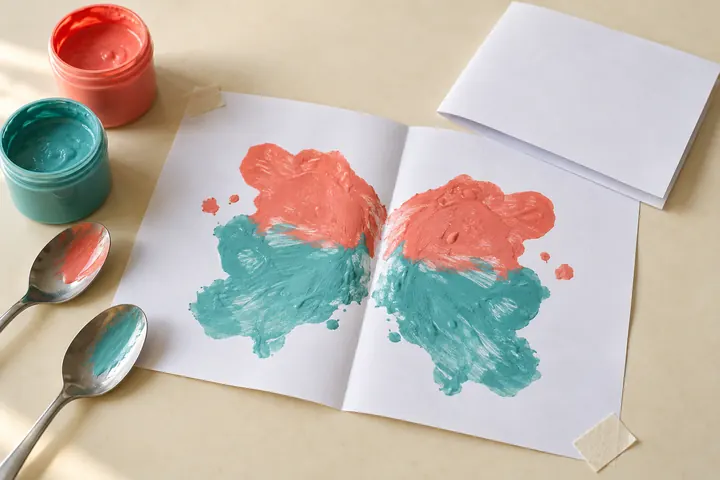
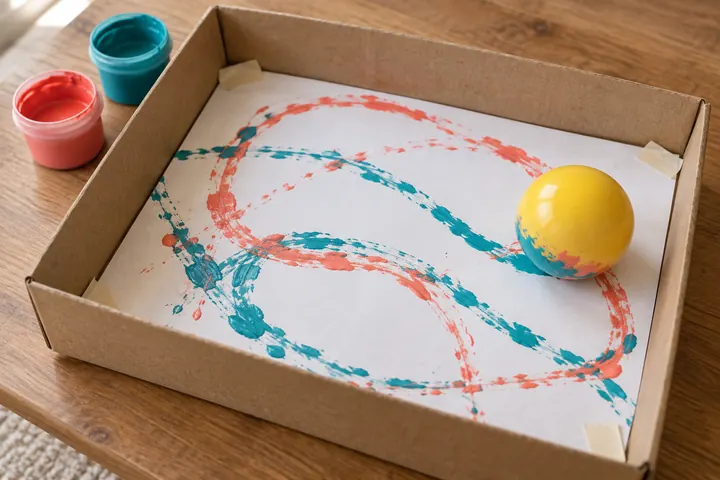
A broad-brush picture and a water-play invitation offer different kinds of messy play. A painting may need somewhere to dry; water play needs a plan for clearing the water and equipment. Compare suitable cards for those ideas using their actual supplies, quantities and adult guidance. A medium-mess label cannot describe your particular room, and one checked setup is enough to start with.
Keep the selected activity's supplies and instructions together. There is no need to invent a new mixture or add food ingredients to make it more interesting. If the required material is unavailable or does not suit the child, select another card. The collection keeps hazard badges visible, including any warnings associated with the listed supplies.
Make the setting workable
Decide where the activity starts and where its materials will stay. Leave enough working room for the child and an adult to take part as required. Consider the route to the cleanup area before putting anything out. A place near a busy doorway may create a different problem from a table that needs to be cleared for lunch.
Moving outdoors still requires managing supplies and cleaning afterwards. Check the card's intended setting, then consider the actual surface and what other people need nearby. Offer one setup at a time. Leave the next activity's materials stored so there is less to manage if this session needs to pause.
Keep choice and adult attention together
For ages 1–2, select their own age band and plan to participate. For ages 3–4 and 5–6, follow the chosen supervision label rather than assuming the setup can continue while you work elsewhere. Any water, tools or other badged materials require the individual guidance. Pause and put supplies beyond children's access if you cannot provide the required attention.
Ask whether the child wants to try the particular material. They can observe, choose another activity or stop without needing to finish a planned result. If siblings want different things, keep their supplies distinct and assess whether you can supervise both. A shared room does not mean one messy setup has to work for every child.
Reserve time for the actual ending
Check which materials and tools need washing, drying, storage or disposal, using their instructions and the chosen card. Make that plan before starting. Tell the child when the working area will be needed again, and leave room for an unfinished result. Cleanup is part of choosing the activity, rather than a surprise extra job after play has ended.
Clear surrounding surfaces as well as the main container or table, and return supplies to appropriate storage. Do not assume that leftover mixtures or prepared setups can be kept for another session. If today's cleanup feels too large, use the low-mess guide next time. Changing the kind of play is a practical adjustment to the day you have.
From the activity library
Find a real activity to try
Painting, dough-and-clay, sensory-bin and water-play previews for ages 1–6 with medium or high mess labels. Hazard badges remain visible; compare the full materials, setting and supervision requirements before starting.
You know your child best. Adapt or skip anything that doesn’t feel right, and supervise as noted. Read the full instructions and safety guidance before starting.
Previews are free to browse
Full steps, the tip and safety note cost 3 credits to unlock for an ordinary library card. Complete sample activities are free.