A parent’s guide to choosing
Paper crafts for kids: choose a project that fits your table
A paper afternoon can begin with a single sheet and a clear place to work. The first choice is whether your child wants to draw a picture or make something with paper. Those are different invitations, and either can suit the moment. Choose the kind of making first, then check the actual card for its materials, preparation time and supervision guidance.
Browse free activity previewsStart with today
Choose a starting point
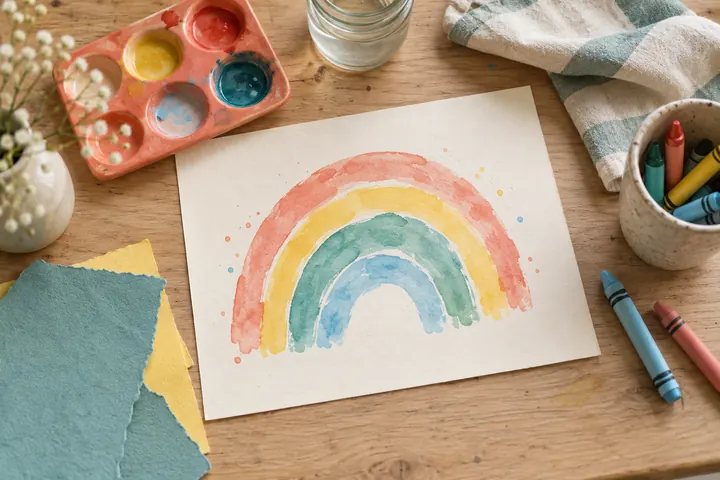
Your child wants to start with a picture
A drawing preview with familiar materials
Check which drawing tools the card names before setting them out.
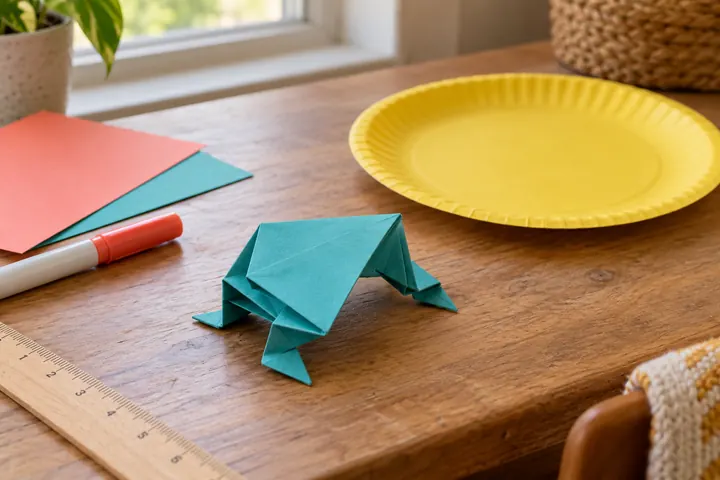
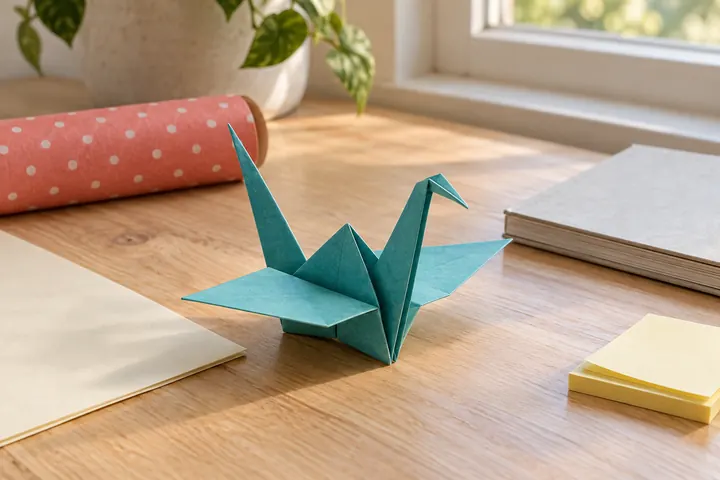
Your child wants to make a paper object
A paper-craft preview with a manageable setup
Check every tool and joining material, including who will handle it.
Several children share one table
Separate projects with a shared subject
Give each child working space and age-appropriate supplies.
You have a small gap before leaving
A short idea with little preparation
Allow time to put materials away and store the paper flat.
Choose drawing or paper making
Drawing suits an interest in pictures or an imagined scene. Paper craft is a closer fit when the child wants a folded, arranged or constructed result. Ask which sounds appealing before offering a project. A picture does not need to become something else afterwards.
The collection includes both paper-craft and drawing cards. A drawing label describes the activity, rather than guaranteeing that its surface is paper; read the materials list for a paper-based option. Paper crafts can also require additional supplies. Choose an idea whose actual list fits your cupboard instead of assuming that every preview needs only a sheet.
Prepare the table, then bring out the supplies
Decide where each child will sit and how much space the project needs. Leave room for the paper and the child's hands, with a separate place for unused sheets. If the table also serves meals or homework, decide when it needs to be clear again. That limit helps you choose between a quick picture and a longer construction.
Read the card before adding tools, adhesives or decorations. The word paper does not tell you whether those materials suit a particular child. Keep supplies intended for older children out of younger children's reach, and follow the individual supervision guidance. If a required tool or material does not fit your setup, choose another card rather than improvising a replacement.
Offer choices that fit the child
For ages 3–4, choose their age band and plan the adult help the card calls for. Offer a clear choice between two possible projects instead of displaying every supply. For ages 5–6, ask what they want the finished piece to be, while leaving room for it to change. A picture can stay a picture even when the original plan was more elaborate.
For ages 7–9 and 10–12, compare the materials and time together. They may want a particular subject, a different paper format or more control over the design. Age alone does not settle which tools they can use or how much help they need. When children share a theme, they can still choose separate cards and keep different materials at their own places.
Leave room for an unfinished ending
Agree on what happens if the project is still in progress when the table is needed. A named folder, tray or shelf gives the work somewhere to wait. Check whether the chosen materials need drying time before putting pages together. Planning storage before starting can be more useful than deciding where to display a finished piece.
At the end, let the child choose what to keep, revisit or put aside. There is no need for a final decoration to make it look complete. Return unused supplies separately from scraps. The previews below help you choose the project; open the individual card for its activity instructions.
From the activity library
Find a real activity to try
Paper-craft and drawing previews for ages 3–12, selected without hazard badges. Check the materials to find a paper-based choice, then read that card's age and supervision guidance.
You know your child best. Adapt or skip anything that doesn’t feel right, and supervise as noted. Read the full instructions and safety guidance before starting.
Previews are free to browse
Full steps, the tip and safety note cost 3 credits to unlock for an ordinary library card. Complete sample activities are free.