A parent’s guide to choosing
Simple science activities for kids: observe, compare or build and adjust
Start with the question your child wants to explore. Noticing what happens is different from trying to make a construction work. Both can make an interesting afternoon. This guide brings together simple-science and engineering previews for ages 5–12 so you can choose the invitation, check the materials and decide how much time and adult help it needs.
Browse free activity previewsStart with today
Choose a starting point
Your child keeps asking what happens
A simple-science preview built around observation
Check what the card asks children to notice and record.
Your child wants to compare possibilities
A science card with a defined comparison
Read its setup rather than inventing extra changes or materials.
Your child wants to make something work
An engineering challenge with a clear goal
Check the construction materials, available space and adult role.
There is little time left today
A short preview with a manageable ending
Include preparation, putting materials away and a final conversation.
Separate a science question from a design goal
A science invitation may ask what can be observed or how two conditions compare. An engineering invitation asks whether a design can meet a goal. The library gives these different activity types, and both appear below. Read the preview to choose the invitation, rather than treating every construction as an experiment.
You do not need to turn an interesting observation into a formal lesson. Ask what caught the child's attention and choose a card that gives that question a manageable boundary. If they would rather build and revise something, choose an engineering preview instead. Having a clear purpose helps you judge whether the materials, time and available space fit.
Give a comparison a clear boundary
When a card includes a comparison, read what changes and what stays the same. Changing several things at once can make it difficult to describe which difference mattered. Stay with the proposed setup before adding another question. There is room to discuss a small observation without expecting a dramatic result.
Let children describe what they actually noticed, including when two results seem alike or when something was hard to see. A drawing, a few words or a spoken description can hold that observation. Separate a prediction from what happened afterwards. If the result differs from the guess, you can leave the question open rather than inventing an explanation on the spot.
Choose building when the interest is in adjustment
An engineering challenge suits a child who wants to make, check and change a design. Read the card's goal before gathering materials: what counts as working, and what limits belong to the challenge? That helps distinguish purposeful adjustment from simply adding more pieces. Choose a setup that can stay in its agreed area while the child revisits it.
Decide how much time is available for another attempt. A design that misses the goal can still offer something to discuss, such as which part the child would change next. You do not have to supply the solution. If time runs out, a sketch or note can preserve the idea for another session.
Match the invitation to the child and the setup
For ages 5–6, offer their age band and ask whether they would prefer to notice something or build something. Ages 7–9 might want to draw a comparison or describe an adjustment. Ages 10–12 may prefer choosing how to keep a record. These are choices to offer, rather than expectations about what a child should be able to do at a particular age.
Check the materials list, preparation time and supervision label. Excluding previews with hazard badges does not replace the individual card or an adult's judgment about the setting. Avoid substituting materials to make an idea more impressive. Read the chosen card's instructions, and leave enough time to finish without rushing.
From the activity library
Find a real activity to try
Simple-science and engineering-challenge previews for ages 5–12, selected without hazard badges. Compare the activity types and practical details, then choose a card that matches the child's question and your available adult attention.
You know your child best. Adapt or skip anything that doesn’t feel right, and supervise as noted. Read the full instructions and safety guidance before starting.
Previews are free to browse
Full steps, the tip and safety note cost 3 credits to unlock for an ordinary library card. Complete sample activities are free.
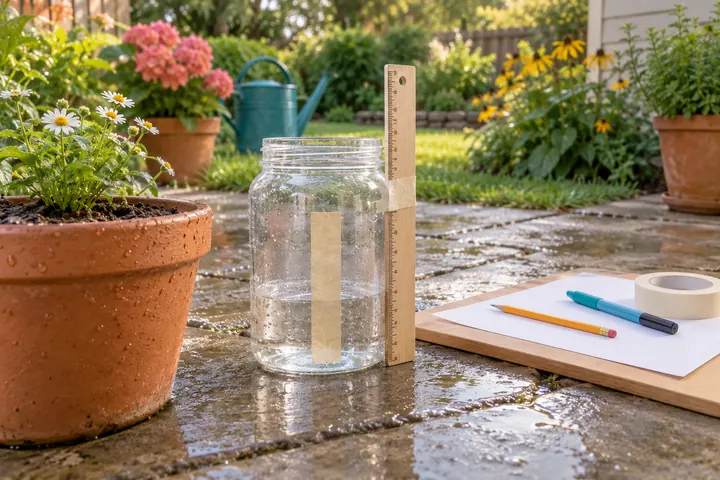
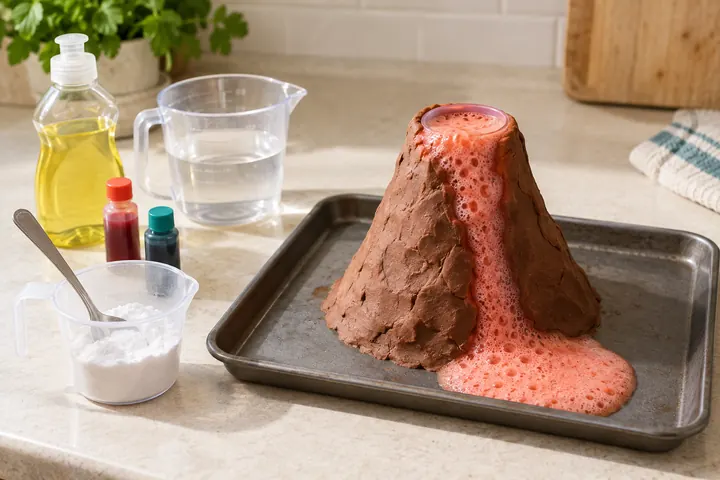
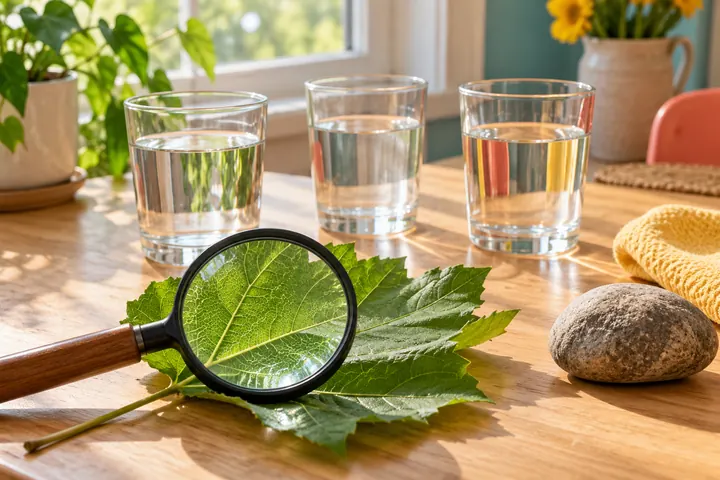
Vinegar Volcano Variables
- 30 min
- 5 min prep
- Things at home
- Some tidying