
Seasonal play, at your pace
Remembrance Day crafts for kids: choose a thoughtful making invitation
A Remembrance Day making invitation can leave space for questions and reflection without asking children to perform a feeling. The Royal British Legion describes remembrance in terms of the Armed Forces community's service and sacrifice, and presents the red poppy as a symbol of remembrance and hope. This guide offers practical choices for a thoughtful session. The library has no Remembrance-tagged cards; the previews are ordinary drawing and paper-making alternatives, with their original themes and instructions.
Browse free activity previews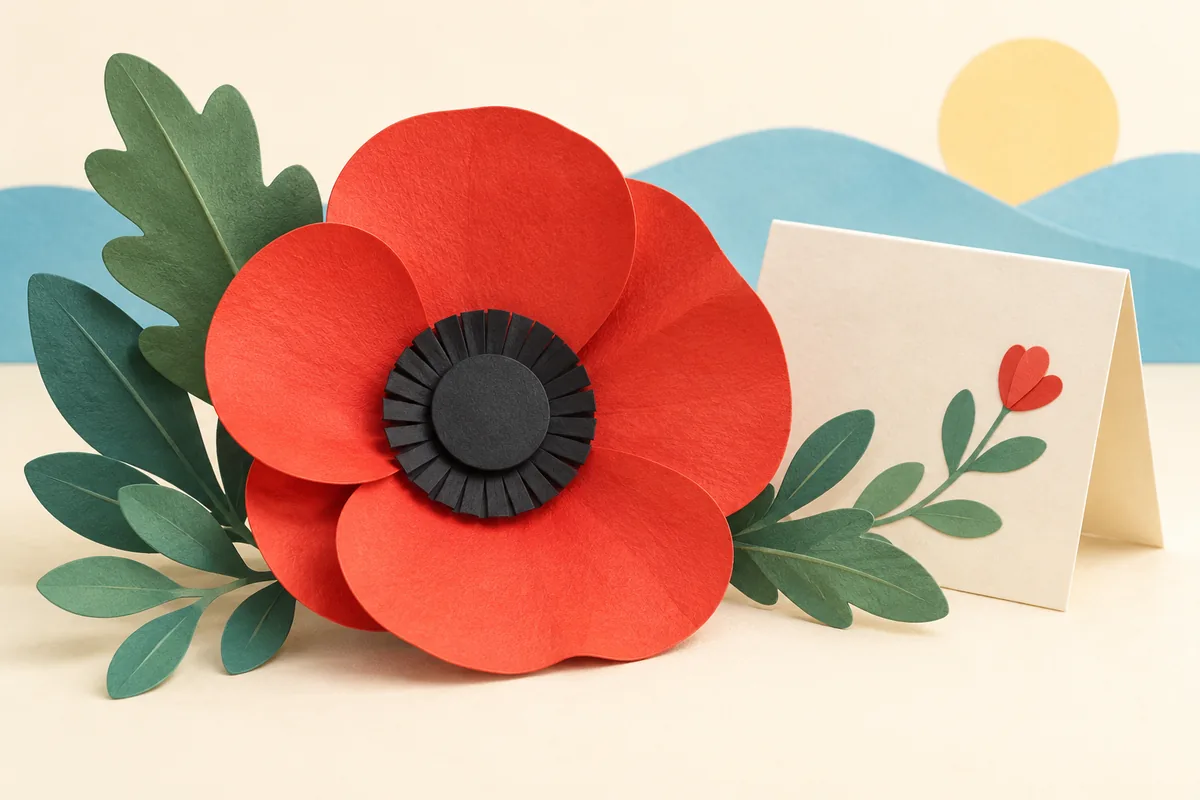
Start with today
Choose a starting point
Your child asks about a symbol they have seen
A brief conversation using a relevant trusted source
Answer the question asked rather than planning a history lesson.
They want to make while talking
An age-appropriate drawing or paper-making alternative
Check the actual supplies and full guidance before starting.
A school or community has invited a contribution
A piece that fits its stated purpose and instructions
Ask where work can be shared before promising a display.
The child would rather stop or do something else
A different activity or a pause
Keep making and discussing personal experiences optional.
Keep the purpose thoughtful and clear
Start with what your family or community is observing. The Royal British Legion's guidance allows for personal ways of remembering; a making session does not have to copy a public ceremony. Check local guidance when dates or arrangements matter. The linked sources provide context, rather than a requirement that every family use the same words or symbols.
For a separate, optional drawing invitation, ask what a peaceful place might look like. A child could draw a quiet garden or a place they imagine, then choose whether to talk about it. This is a personal creative prompt, not a remembrance symbol or ceremony. Keep the session short and leave room for an ordinary activity afterwards.
Let the child's question set the conversation
Listen for what they actually want to know before choosing an explanation. If a question concerns a person, symbol or event you do not understand, look for the relevant institution or community's guidance together with an adult. Leave uncertain details open instead of improvising a historical account to fit the craft.
There is no need to introduce graphic images, reenactments or detailed accounts of conflict as part of making. A child may want a brief answer, another question or a change of subject. Keep family experiences private unless the people involved want to share them. The finished work does not have to carry a personal story.
Choose ordinary materials with an ordinary adult role
The previews below are indoor drawing and paper-craft alternatives. Their names and instructions remain those of the original library cards. They do not provide a poppy template, wreath tutorial or official remembrance resource. If a particular symbol or project is requested by school, check that request separately rather than assuming these cards supply it.
Choose the child's own age band and read every required material and supervision label. Plan adult participation with toddlers, and keep older-child supplies separate when siblings share the space. Follow the chosen activity rather than adding pins, wearable attachments or extra decorative pieces. A suitable drawing can be enough for a small making session.
Ask before displaying or leaving work elsewhere
A child can keep their work at home. If they want to share it at school or a community event, check the organisers' instructions before taking it along. Do not assume a public memorial is a place to leave a craft. A respectful contribution also considers the wishes of the people responsible for that setting.
The collection omits listed hazard badges, without certifying every material or situation. Read the full activity guidance and leave time for cleanup. Ask what the child wants to keep, then store supplies and unfinished work appropriately. Participation in the making and any later sharing remains a choice, rather than a measure of how much someone cares.
Further reading
From the activity library
Find a real activity to try
Everyday indoor drawing and paper-craft alternatives with no listed hazard badges. The library has no Remembrance-tagged collection, and these cards are not official remembrance resources or newly written poppy instructions.
You know your child best. Adapt or skip anything that doesn’t feel right, and supervise as noted. Read the full instructions and safety guidance before starting.
Previews are free to browse
Full steps, the tip and safety note cost 3 credits to unlock for an ordinary library card. Complete sample activities are free.
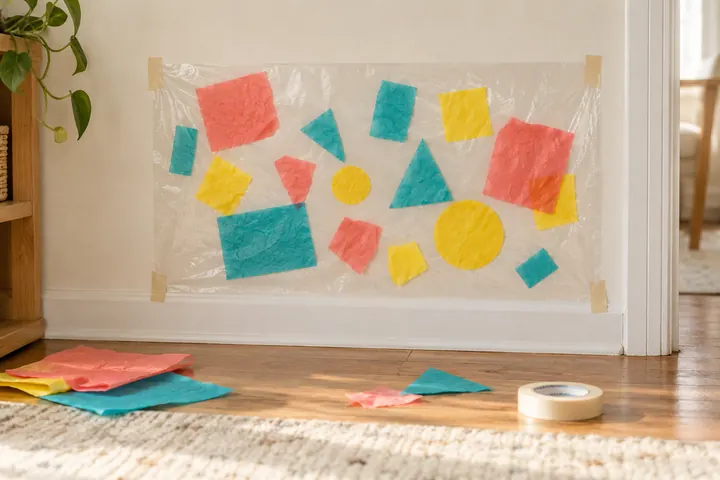
Everyday play alternative
Sticky Wall Tissue Art
- 20 min
- 5 min prep
- Craft supplies
- Low mess
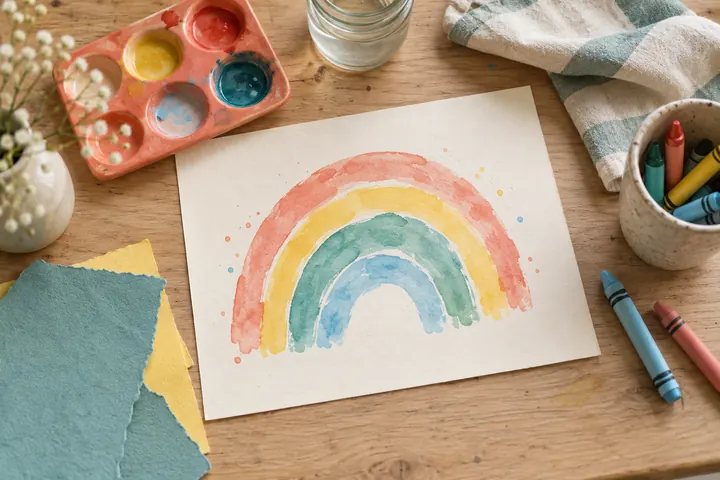
Everyday play alternative
Scribble Monster Makeover
- 15 min
- No prep
- Things at home
- Low mess
Everyday play alternative
Color-by-Number Mystery
- 20 min
- 5 min prep
- Things at home
- Low mess
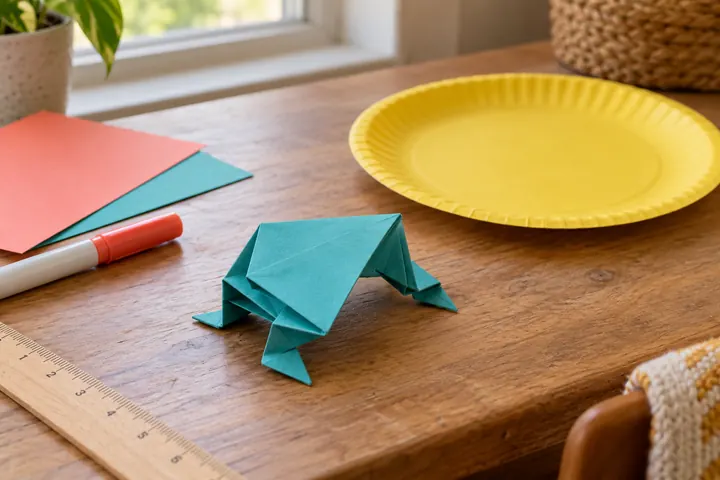
Everyday play alternative
Origami Jumping Frogs
- 25 min
- 2 min prep
- Things at home
- Low mess
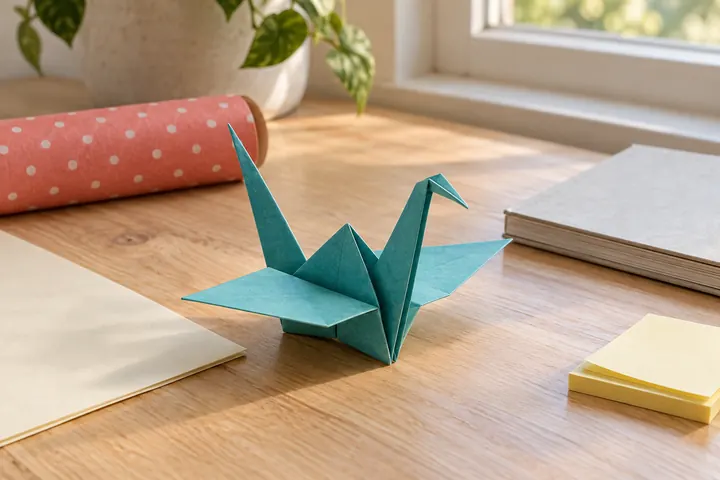
Everyday play alternative
Fold an Origami Crane
- 20 min
- No prep
- Things at home
- Low mess
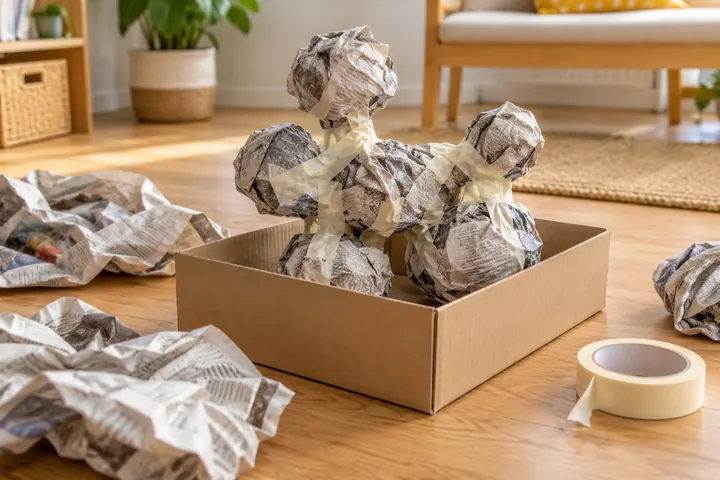
Everyday play alternative
Scrunch Paper Sculpture
- 15 min
- 3 min prep
- Things at home
- Low mess
Everyday play alternative
Sticker Dot Path
- 12 min
- 3 min prep
- Craft supplies
- Low mess
Everyday play alternative
Origami Puppy Faces
- 12 min
- No prep
- Craft supplies
- Low mess
Everyday play alternative
Mandala Slice Coloring
- 30 min
- 2 min prep
- Things at home
- Low mess
Everyday play alternative
Squiggle Swap
- 15 min
- No prep
- Things at home
- Low mess