A parent’s guide to choosing
What to do when bored: help kids choose a first activity
When a child says they are bored, a huge list of ideas can create another decision. Start smaller: do they want to move, make something, imagine something or work out a puzzle? Offer two suitable choices and make the starting action clear. These are ideas for everyday family play, with no requirement to fill every quiet moment.
Browse free activity previewsStart with today
Choose a starting point
They reject a long list
Two choices in different moods
Ask move or make, then narrow the options.
Starting feels like too much effort
A short, low-prep card
Gather only the supplies needed to begin.
A sibling wants to join
An idea intended for playing with others
Check age suitability and give each child a role.
They want a little space
An age-appropriate calm option
Stay available and follow the supervision guidance.
Ask one concrete question
Would you like to use your hands or move your body? Would you like a story or a puzzle? A concrete pair of choices is easier to answer than what do you want to do all afternoon. Use the answer to choose the next pair, rather than offering every possibility at once.
If neither choice appeals, leave room for a pause. Boredom does not always need an instant organized activity. You can return to the choices later without treating the first answer as a problem to solve.
Choose a small beginning
Check the activity time and the preparation time. A short idea with familiar materials makes it easier to try one round and then decide whether to continue. Put away extra supplies so the child can see what belongs to this activity.
For younger children, start together and show the first action. For older children, explain what is available and let them choose within suitable boundaries. Avoid promising that an activity will keep someone busy for a particular length of time.
Make a choice list that belongs to your family
Keep a short written list of activities your family actually likes, grouped into calm, creative and active choices. Include what is needed and where each works. A list of three reliable favorites is useful when everyone is tired of deciding.
Let children add an idea after they have tried it. Repeating a familiar activity is fine; you do not need a new project every day. Keep older-child materials separate from younger siblings and check the supervision instructions each time.
Change one practical constraint
If an idea is not working, check the constraint rather than adding more supplies. Is there enough space? Is the noise welcome? Can the adult help? Is there time to finish and tidy? Choose a different card when the answer changes.
The previews below are indoor ideas of 20 minutes or less. They are starting points across ages 1–12, not a promise of independent play. For a closer choice, use the age hubs or the finder and read the complete card before starting.
From the activity library
Find a real activity to try
Short indoor previews, each with an activity duration of 20 minutes or less. Add preparation and cleanup time when planning your own gap.
You know your child best. Adapt or skip anything that doesn’t feel right, and supervise as noted. Read the full instructions and safety guidance before starting.
Previews are free to browse
Full steps, the tip and safety note cost 3 credits to unlock for an ordinary library card. Complete sample activities are free.
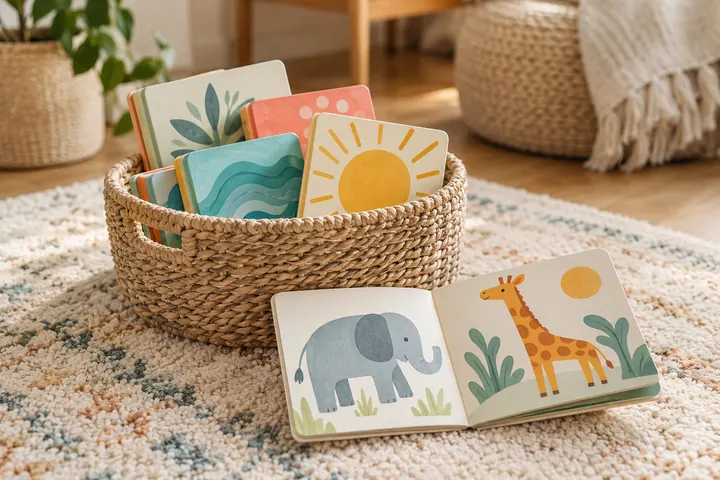

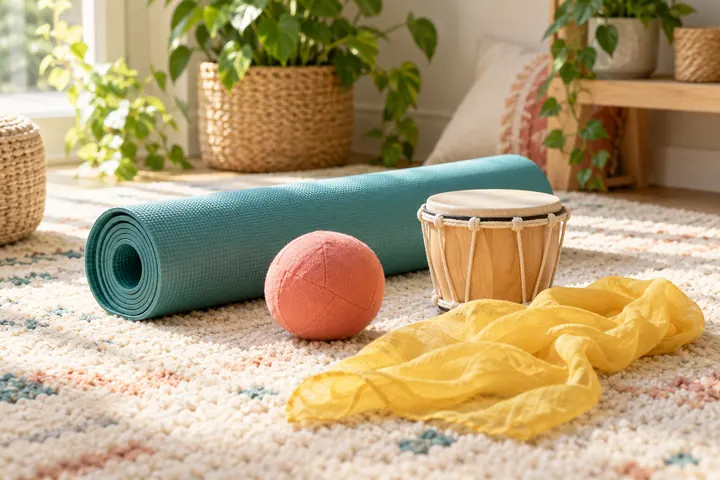
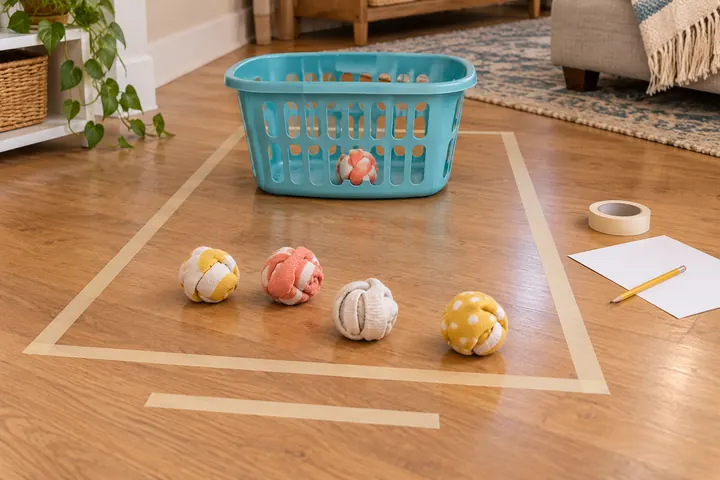

Letter Sound Treasure Baskets
- 20 min
- 2 min prep
- Things at home
- Low mess